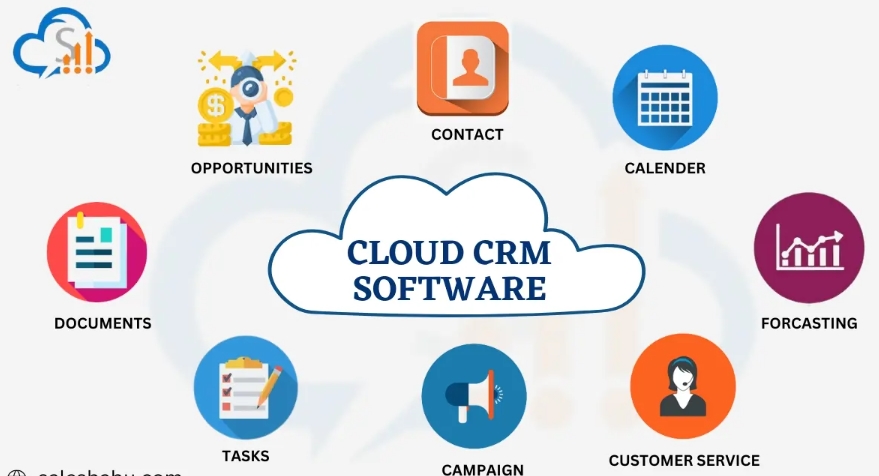
In today’s fast-paced digital world, businesses are constantly looking for ways to improve their customer relationships. This is where Cloud CRM Software comes into play, offering a powerful tool for managing customer data, interactions, and streamlining sales and marketing efforts.
What is CRM?
Customer Relationship Management (CRM) refers to the strategies and technologies used by businesses to manage interactions with customers and potential clients. It’s all about improving customer service, retaining clients, and driving sales growth by keeping all customer data in one organized place.
The Rise of Cloud-Based Solutions
Cloud-based technology has revolutionized the way businesses operate, and CRM is no exception. Rather than being confined to on-premise servers, cloud CRM software allows businesses to store and access customer information over the internet, providing flexibility and scalability like never before.
How Cloud CRM Software Works
Cloud CRM software works by storing your customer data securely in the cloud, which can be accessed from anywhere, anytime. It integrates a range of tools and features designed to enhance sales, marketing, and customer support processes.
Core Features of Cloud CRM
At the core of any cloud CRM system are features like contact management, lead tracking, sales automation, and reporting. These features are designed to help businesses manage customer relationships more efficiently.
How Data is Stored and Managed in the Cloud
Cloud CRM software securely stores your data on remote servers managed by the software provider. This eliminates the need for expensive on-premise hardware and maintenance, while ensuring data is backed up and safe.
Benefits of Cloud CRM Software
Scalability
One of the most significant advantages of cloud CRM software is its scalability. As your business grows, the software can grow with you, accommodating an increasing number of users, customers, and data.
Adjusting to Business Needs
Whether you’re a small startup or a large enterprise, cloud CRM systems offer customizable plans that can scale up or down based on your business’s needs. This flexibility is key for businesses aiming for sustainable growth.
Cost Efficiency
Lower Upfront Costs
Cloud CRM software typically comes with lower upfront costs compared to traditional, on-premise solutions. There’s no need to invest in expensive hardware or IT infrastructure.
Subscription Models vs. Traditional CRM
Cloud CRM solutions usually operate on a subscription model, allowing businesses to pay on a monthly or yearly basis. This helps reduce financial strain and offers predictable costs over time.
Accessibility and Mobility
Remote Access from Anywhere
Since the software is hosted on the cloud, users can access it from any location, as long as they have an internet connection. This is especially valuable for businesses with remote teams or employees who travel frequently.
Compatibility with Multiple Devices
Cloud CRM software is designed to work seamlessly across various devices, including smartphones, tablets, and desktops. This means you can manage customer relationships on the go, anytime.
Key Features of Cloud CRM Software
Automation of Marketing and Sales
Automating Customer Engagement
With cloud CRM software, businesses can automate repetitive tasks such as sending follow-up emails, scheduling appointments, or reminding sales teams about leads. This saves time and ensures that no opportunities are missed.
Tracking Customer Interactions
Cloud CRM tools track every interaction with a customer, from their initial inquiry to their latest purchase, helping businesses stay on top of customer needs and preferences.
Analytics and Reporting
Real-Time Data Insights
Real-time reporting features give businesses valuable insights into sales performance, customer behavior, and marketing effectiveness. This helps in making data-driven decisions to optimize strategies.
Predictive Analytics for Sales
Some cloud CRM platforms offer predictive analytics capabilities that forecast future trends, helping businesses anticipate customer needs and adjust their approach accordingly.
Cloud CRM vs. On-Premise CRM
What is On-Premise CRM?
On-premise CRM software is installed locally on a company’s servers and maintained by its IT department. While this gives businesses more control, it also requires significant investment in infrastructure and maintenance.
Infrastructure Requirements
Unlike cloud CRM, on-premise systems require businesses to manage their own servers, storage, and network security, which can be expensive and resource-intensive.
Control and Security
On-premise solutions offer more control over data security since everything is managed in-house. However, cloud CRM providers are known for investing heavily in robust security measures to protect their clients’ data.
Advantages of Cloud CRM Over On-Premise CRM
Cloud CRM offers numerous advantages over on-premise CRM, including lower costs, easier maintenance, faster setup times, and better accessibility. For most businesses, these benefits far outweigh the advantages of keeping CRM in-house.
Top Cloud CRM Software Providers in 2024
Salesforce
Overview of Salesforce CRM
Salesforce is one of the leading cloud CRM providers, offering a comprehensive suite of tools for sales, customer service, marketing, and more.
Key Features and Benefits
Salesforce’s standout features include advanced automation, AI-driven insights, and robust integration capabilities with other software tools.
HubSpot
Overview of HubSpot CRM
HubSpot is a popular choice for small to mid-sized businesses, providing a free CRM option alongside its paid plans for advanced features.
Key Features and Benefits
HubSpot’s CRM offers features like email marketing, social media tracking, and easy integration with other HubSpot tools.
Zoho CRM
Overview of Zoho CRM
Zoho CRM is a flexible, affordable solution that is popular among small businesses for its ease of use and extensive customization options.
Key Features and Benefits
Zoho CRM includes features such as workflow automation, AI-based lead scoring, and multi-channel communication tools.
How to Choose the Best Cloud CRM Software for Your Business
Assessing Business Needs
Understanding Your Team’s Needs
Before selecting a cloud CRM, it’s crucial to understand what your team needs from the software. Do you need more sales automation or stronger customer support features?
Integrations with Existing Tools
Ensure that the CRM you choose integrates with your existing tools, such as email platforms, calendars, and accounting software, for seamless workflows.
Budget Considerations
Calculating Long-Term Costs
While cloud CRM may seem affordable upfront, it’s important to consider the long-term costs, especially as your business grows and you need more features.
Free Trials and Demos
Most cloud CRM providers offer free trials or demos. Take advantage of these to test whether the software fits your business before committing to a subscription.
Future Trends in Cloud CRM Software
Artificial Intelligence Integration
AI for Personalized Customer Experience
AI integration in cloud CRM is becoming increasingly common. AI can analyze customer data and provide personalized experiences, helping businesses engage more effectively.
Enhanced Data Security Measures
Protecting Customer Data
As cloud CRM becomes more prevalent, providers are constantly enhancing their security measures to ensure that customer data remains protected.
Conclusion
In conclusion, cloud CRM software is a game-changer for businesses of all sizes, offering flexibility, scalability, and cost savings. Whether you’re a small startup or a large corporation, cloud CRM can help you better manage customer relationships, streamline operations, and drive growth.
FAQs About Cloud CRM Software
What is the difference between Cloud CRM and On-Premise CRM?
Cloud CRM is hosted on the internet, allowing for remote access, while on-premise CRM is installed locally on your business’s servers, giving more control but requiring more infrastructure.
Is Cloud CRM secure?
Yes, cloud CRM providers invest heavily in security, offering encryption, data backups, and secure access controls to protect your data.
How much does Cloud CRM software typically cost?
Costs vary based on features and user numbers, but most cloud CRM solutions operate on a subscription basis, with options ranging from free for basic plans to premium enterprise packages.
Can small businesses benefit from Cloud CRM?
Absolutely. Cloud CRM is often ideal for small businesses due to its scalability, low upfront costs, and ease of use.
What industries use Cloud CRM software?
Cloud CRM is used across various industries, including retail, healthcare, finance, and real estate, to manage customer relationships and improve sales processes.
Leave a Reply