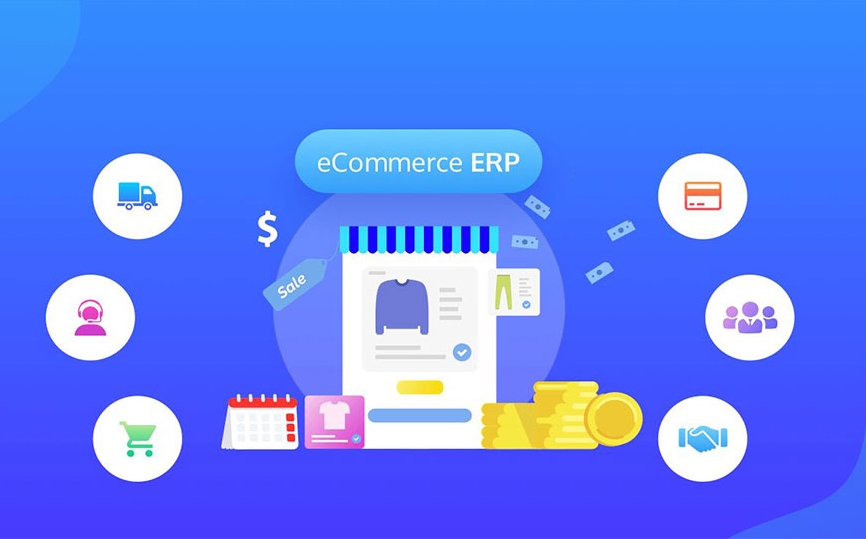
In today’s fast-paced business environment, eCommerce has become the backbone of many businesses. But with rapid growth comes complexity. This is where ERP (Enterprise Resource Planning) systems come into play. Combining these two systems can streamline operations, boost sales, and improve the overall customer experience. Let’s dive into the world of ERP eCommerce and explore why it’s a game-changer for businesses.
Definition of ERP and eCommerce
What is ERP?
ERP, or Enterprise Resource Planning, refers to a type of software that helps businesses manage various functions like inventory, sales, human resources, finance, and more—all in one centralized system. It automates routine tasks and provides real-time data to help businesses make informed decisions.
What is eCommerce?
eCommerce, on the other hand, is the buying and selling of goods or services online. With platforms like Shopify, WooCommerce, and Magento, businesses can reach customers globally. However, as your business grows, managing this process manually becomes challenging.
The Intersection of ERP and eCommerce
The Growing Need for Integration
With the rise of online shopping, businesses face new challenges—order tracking, inventory management, customer support, and more. These tasks can become overwhelming, especially when managed through separate systems. That’s why integrating ERP with eCommerce platforms is crucial.
How ERP Powers eCommerce Operations
ERP systems automate back-end processes, syncing data between your online store and internal operations like warehouse management, financial reporting, and supply chain monitoring. This helps ensure that everything runs smoothly, from the moment an order is placed to when it’s delivered.
Key Benefits of Integrating ERP with eCommerce
Streamlined Operations
Automating Inventory Management
One of the most significant advantages of ERP eCommerce integration is the automation of inventory management. The ERP system automatically updates your stock levels when a customer makes a purchase. This reduces the risk of overselling products you don’t have in stock and improves overall efficiency.
Real-time Tracking and Order Fulfillment
With an ERP system, you get real-time updates on order statuses and tracking information. This allows you to process orders faster and provide customers with accurate delivery times, which boosts customer satisfaction.
Enhanced Customer Experience
Personalization with Accurate Data
By syncing your ERP system with your eCommerce platform, you can better understand your customers’ behaviors and preferences. This allows you to offer personalized product recommendations, improving customer engagement and sales.
Faster Shipping and Delivery Times
ERP systems streamline the fulfillment process, ensuring that orders are shipped quickly and accurately. Fast and reliable delivery is one of the key factors in providing a positive customer experience.
Improved Data Management
Centralized Data Systems
When you integrate ERP with eCommerce, you eliminate the need for multiple databases. All your customer, product, and financial data are stored in one system, reducing errors and improving decision-making.
Better Analytics and Insights
Having all your data in one place allows you to generate reports and insights faster. You can track everything from sales performance to inventory levels, helping you make more strategic decisions.
Core Features of an ERP-Integrated eCommerce System
Inventory and Supply Chain Management
With an ERP system, you can automate supply chain processes like inventory restocking, vendor management, and demand forecasting. This ensures you always have the right products available for your customers.
Customer Relationship Management (CRM)
ERP systems also include CRM tools that help you manage customer relationships, track orders, and even personalize marketing efforts. This makes it easier to build strong customer relationships and improve retention rates.
Financial Management and Accounting
ERP systems handle all your financials, from managing payments to tracking expenses and generating financial reports. This gives you a clear picture of your business’s financial health.
How to Choose the Right ERP for eCommerce
Scalability and Flexibility
When choosing an ERP system for your eCommerce business, it’s essential to consider scalability. As your business grows, your ERP system should grow with it, providing the flexibility to add new features or scale up operations without breaking the bank.
Compatibility with eCommerce Platforms
Not all ERP systems integrate seamlessly with every eCommerce platform. Before committing, ensure the ERP system you choose is compatible with your existing online store.
Cost and ROI Considerations
ERP systems can be costly, especially for small businesses. However, it’s important to weigh the long-term ROI against the upfront costs. Investing in an ERP system now can save you time and money down the road.
Common Challenges of ERP eCommerce Integration
Data Synchronization Issues
One of the most common challenges businesses face when integrating ERP with eCommerce is data synchronization. Ensuring that your inventory levels, customer data, and order statuses sync correctly across platforms is essential to avoid costly mistakes.
Employee Training and Adaptation
Implementing a new ERP system requires proper training for your employees. Without it, your staff may struggle to adapt to the new processes, leading to delays and errors.
High Implementation Costs
The cost of implementing an ERP system can be a significant barrier for many businesses. However, the long-term benefits often outweigh the initial investment, especially as your business scales.
How to Overcome ERP eCommerce Integration Challenges
Choosing the Right Implementation Partner
Partnering with a knowledgeable ERP implementation team can make all the difference. They can help you avoid common pitfalls and ensure a smooth integration.
Creating a Phased Rollout Plan
Rather than implementing your ERP system all at once, consider a phased rollout. This allows you to test and fine-tune each aspect of the system before fully committing.
Training and Support for Employees
Providing comprehensive training and ongoing support for your employees ensures a smoother transition to the new system. The more comfortable your team is with the ERP system, the more efficiently it will be used.
ERP eCommerce Trends to Watch
AI and Machine Learning Integration
AI and machine learning are starting to play a significant role in ERP systems, helping businesses predict customer behavior, optimize inventory, and streamline operations even further.
Omnichannel Strategies
An omnichannel strategy—integrating multiple sales channels into one seamless experience—is becoming increasingly popular in eCommerce. ERP systems make it easier to manage these multiple channels in one place.
Blockchain for Secure Transactions
Blockchain technology is being integrated into ERP systems to provide more secure transactions, especially for businesses dealing with sensitive customer data.
Conclusion
Integrating ERP with eCommerce is no longer a luxury—it’s a necessity. As businesses grow and online shopping becomes more complex, having a system that can manage everything from inventory to customer relationships is essential. By implementing the right ERP system, you can streamline your operations, enhance the customer experience, and drive long-term growth.
FAQs
- What is ERP eCommerce integration?
ERP eCommerce integration involves syncing an ERP system with an online store to manage business processes more efficiently, including inventory, orders, and customer data. - Can small businesses benefit from ERP eCommerce integration?
Yes, small businesses can greatly benefit from ERP integration as it streamlines operations, reduces manual work, and improves customer experience, even at a smaller scale. - How long does it take to implement an ERP system in an eCommerce business?
The time frame can vary based on the complexity of the system, but typically, implementation takes anywhere from a few weeks to several months. - What are the costs associated with ERP eCommerce integration?
Costs depend on the size of your business, the ERP system chosen, and the level of customization. It’s important to consider both upfront costs and long-term ROI. -
Which ERP systems work best with eCommerce platforms?
Some of the best ERP systems for eCommerce businesses include NetSuite, Microsoft Dynamics 365, and SAP Business One, among others.
Leave a Reply