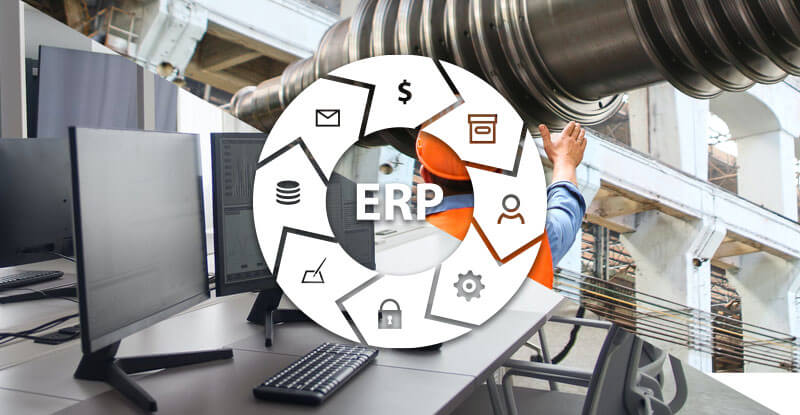
Manufacturing is a highly complex industry, where efficiency, cost control, and precision are crucial to success. One tool that has revolutionized the way manufacturers operate is ERP (Enterprise Resource Planning) software. But what exactly is ERP, and how does it benefit manufacturing businesses?
What is ERP Software?
At its core, ERP software is an integrated system that manages and automates business processes across an organization. From finance and human resources to inventory management and production scheduling, ERP software serves as a centralized hub for all business functions. This enables better visibility, coordination, and decision-making across departments.
The Role of ERP in the Manufacturing Industry
In the manufacturing industry, ERP software plays a critical role in streamlining production processes, optimizing resource allocation, and ensuring that operations run smoothly. With its ability to track raw materials, monitor production timelines, and manage quality control, ERP software helps manufacturers meet customer demands while reducing waste and inefficiencies.
Key Features of Manufacturing ERP Software
Inventory Management
One of the essential features of manufacturing ERP software is inventory management. This tool helps manufacturers keep track of raw materials, work-in-progress (WIP), and finished goods. Accurate inventory management ensures that manufacturers can meet production demands without overstocking or running into shortages.
Production Planning and Scheduling
ERP software provides advanced production planning and scheduling capabilities. By coordinating manufacturing activities, production planners can optimize resources, reduce lead times, and improve on-time delivery rates. Automation of scheduling reduces manual intervention and errors.
Quality Control
In manufacturing, ensuring product quality is paramount. ERP software includes quality control modules that allow manufacturers to track defects, monitor compliance with industry standards, and implement corrective actions quickly.
Supply Chain Management
An ERP system streamlines the supply chain by improving collaboration with suppliers, managing orders, and monitoring delivery schedules. This ensures timely availability of raw materials, reducing bottlenecks and delays in production.
Financial Management
ERP software also helps manufacturers maintain control over their finances by integrating accounting functions, tracking expenses, and generating real-time financial reports. This feature is critical for profitability analysis and maintaining a healthy cash flow.
The Importance of Manufacturing ERP Software
Streamlining Production Processes
Manufacturing ERP software eliminates manual tasks, automates workflows, and integrates various departments, ensuring that production processes run smoothly from start to finish.
Reducing Operational Costs
By optimizing inventory, reducing downtime, and improving resource allocation, ERP software helps manufacturers reduce operational costs. This leads to better profit margins and cost-efficient operations.
Enhancing Decision-Making
With real-time data at their fingertips, decision-makers can quickly identify areas for improvement, make informed decisions, and react to market changes effectively.
How Manufacturing ERP Software Works
Centralized Data Management
ERP systems centralize all business data into a single database, allowing for seamless communication and information-sharing between departments. This improves coordination and eliminates silos.
Automation of Manufacturing Workflows
ERP software automates various workflows, such as inventory tracking, production scheduling, and order processing. This reduces the need for manual input, minimizes errors, and improves efficiency.
Integration with Other Business Systems
ERP systems can integrate with other business applications, such as Customer Relationship Management (CRM) software, to provide a unified view of the company’s operations. This integration ensures that all aspects of the business work together harmoniously.
Benefits of Implementing ERP Software in Manufacturing
Improved Efficiency
Manufacturing ERP software increases operational efficiency by automating routine tasks and reducing manual intervention.
Better Inventory Control
By providing real-time insights into inventory levels, ERP software helps manufacturers optimize stock levels and avoid production delays caused by material shortages.
Enhanced Communication Between Departments
With all departments working from a single system, communication is streamlined, and collaboration becomes easier, leading to more cohesive operations.
Compliance with Industry Standards
ERP software helps manufacturers comply with industry regulations by tracking quality control measures and documenting compliance requirements.
Challenges in Implementing Manufacturing ERP Software
High Initial Costs
Implementing ERP software can be costly, especially for smaller manufacturers. However, the long-term savings and efficiency gains often outweigh the initial investment.
Complex Implementation Process
The implementation process can be complex and time-consuming, requiring careful planning, training, and customization to meet the unique needs of the business.
User Resistance to Change
Employees may resist switching to an ERP system due to the learning curve involved. Proper training and change management are essential to overcome this resistance.
Choosing the Right Manufacturing ERP Software
Factors to Consider When Selecting ERP Software
When selecting ERP software, manufacturers should consider factors such as scalability, customization options, ease of use, and integration capabilities.
Customization and Scalability
A good ERP system should be customizable to fit the specific needs of the business and scalable to grow with the company as it expands.
Cloud-Based vs On-Premise ERP Solutions
Manufacturers can choose between cloud-based ERP solutions, which offer flexibility and lower upfront costs, or on-premise solutions, which provide more control over data and systems.
Top Manufacturing ERP Software in 2024
SAP ERP
SAP ERP is a comprehensive solution that offers advanced features for inventory management, production planning, and supply chain management.
Oracle ERP Cloud
Oracle ERP Cloud is known for its financial management capabilities and seamless integration with other business systems.
Microsoft Dynamics 365
Microsoft Dynamics 365 provides a flexible, cloud-based ERP solution with AI-driven insights for manufacturing businesses.
Infor CloudSuite Industrial
Infor CloudSuite Industrial is tailored for manufacturers, offering tools for production planning, inventory management, and quality control.
Case Studies of Successful ERP Implementation in Manufacturing
Case Study 1: A Global Automotive Manufacturer
A global automotive manufacturer implemented ERP software to streamline its supply chain, reduce lead times, and improve communication between its global facilities.
Case Study 2: A Mid-Sized Electronics Manufacturer
A mid-sized electronics manufacturer used ERP software to enhance production planning and improve on-time delivery rates, resulting in a 15% reduction in production costs.
Future Trends in Manufacturing ERP Software
AI and Machine Learning Integration
The integration of AI and machine learning into ERP systems will enable manufacturers to optimize production processes and predict equipment failures.
Advanced Analytics for Predictive Maintenance
Advanced analytics will allow manufacturers to monitor equipment performance and implement predictive maintenance strategies to minimize downtime.
Internet of Things (IoT) in Manufacturing ERP
IoT integration with ERP software will provide real-time data from connected machines, improving production efficiency and quality control.
Conclusion
Manufacturing ERP software is a powerful tool that helps businesses streamline their operations, reduce costs, and improve decision-making. By implementing the right ERP system, manufacturers can stay competitive in an ever-changing market, improve efficiency, and meet the demands of modern production.
FAQs:
- What is Manufacturing ERP Software? Manufacturing ERP software is a system designed to manage and automate production, inventory, supply chain, and financial processes within a manufacturing business.
- Why is ERP important for manufacturing? ERP is important for manufacturing because it helps streamline production processes, improve efficiency, and enhance decision-making by providing real-time insights into operations.
- What are the challenges in implementing ERP in manufacturing? Challenges include high initial costs, complex implementation processes, and resistance to change from employees.
- Which are the top ERP software solutions for manufacturing in 2024? Top solutions include SAP ERP, Oracle ERP Cloud, Microsoft Dynamics 365, and Infor CloudSuite Industrial.
-
How does ERP software improve inventory management in manufacturing? ERP software provides real-time inventory tracking, ensuring that manufacturers have the right materials at the right time, reducing overstock and shortages.
Leave a Reply