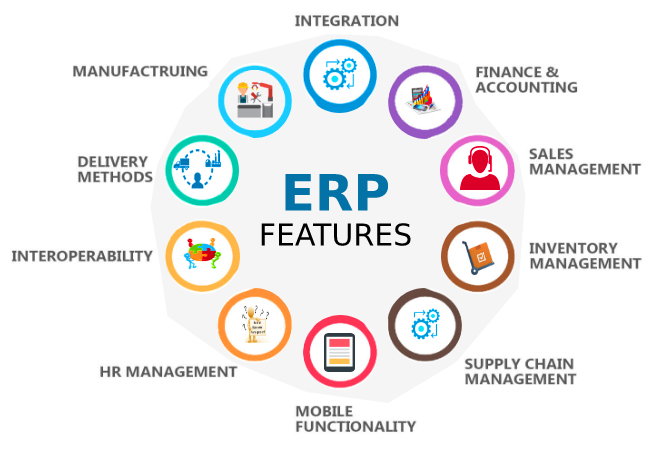
In today’s fast-paced business world, staying competitive requires leveraging the best technology available. One such technology is Enterprise Resource Planning (ERP) software, and Oracle NetSuite ERP is a leader in this field. In this article, we’ll dive into what makes Oracle NetSuite ERP an essential tool for businesses of all sizes, how it works, and why it’s crucial for improving efficiency and driving growth.
Overview of ERP Systems
What is ERP?
ERP stands for Enterprise Resource Planning. It refers to integrated software systems used by organizations to manage day-to-day activities like accounting, procurement, project management, and supply chain operations. ERP software centralizes these processes, allowing businesses to streamline operations and access real-time data.
Importance of ERP in Business Management
Implementing an ERP system is no longer a luxury for large companies; it’s a necessity for businesses of all sizes. ERP systems like Oracle NetSuite provide a unified view of your business, improving decision-making, reducing costs, and enhancing efficiency across the board.
The Rise of Oracle NetSuite
History and Evolution of NetSuite
NetSuite, initially founded in 1998, was one of the pioneers in offering cloud-based ERP solutions. It started as a simple accounting software and gradually evolved into a full-suite ERP solution, covering everything from financials to CRM.
Oracle’s Acquisition of NetSuite
In 2016, Oracle acquired NetSuite for $9.3 billion, recognizing the potential of cloud-based ERP. Since the acquisition, Oracle NetSuite ERP has continued to grow, offering even more robust features, scalability, and global capabilities to businesses worldwide.
Key Features of Oracle NetSuite ERP
Cloud-Based ERP Solution
Oracle NetSuite is a cloud-based ERP system, meaning all your business data is stored securely in the cloud and can be accessed from anywhere, at any time.
Benefits of Cloud Computing in ERP
Using a cloud-based solution eliminates the need for costly on-premise hardware and IT maintenance, offering businesses more flexibility and security. Moreover, with cloud ERP, software updates and improvements are automatically rolled out, ensuring you always have the latest features.
Scalability and Flexibility of NetSuite
One of the major advantages of NetSuite is its scalability. Whether you’re a startup or a multinational corporation, Oracle NetSuite grows with your business, allowing you to add functionalities as your business needs evolve.
Financial Management
Real-Time Financial Visibility
Oracle NetSuite offers real-time visibility into your financials, allowing you to generate reports and insights instantly. This feature is crucial for making informed business decisions and staying on top of your cash flow.
Comprehensive Financial Planning
In addition to real-time financial tracking, NetSuite provides comprehensive financial planning tools to help businesses manage budgets, forecasts, and financial strategies, all in one place.
Customer Relationship Management (CRM)
Integrated CRM for Enhanced Customer Experience
NetSuite’s CRM capabilities ensure that your customer data, from leads to support cases, is fully integrated into the ERP system. This leads to better customer experiences, as your teams have access to the most up-to-date customer information.
Automation of Sales and Marketing Processes
With Oracle NetSuite, you can automate key marketing and sales processes, including email marketing, lead nurturing, and customer follow-ups, ensuring no potential client slips through the cracks.
Supply Chain and Inventory Management
Real-Time Tracking and Reporting
NetSuite’s supply chain management module offers real-time tracking of inventory, orders, and production. This allows businesses to maintain an optimal level of stock and ensure products are delivered on time.
Optimization of Inventory Levels
By using predictive analytics, NetSuite helps businesses optimize their inventory, reducing costs associated with overstocking and minimizing stockouts.
Why Oracle NetSuite ERP is Ideal for Businesses
Customization and Configuration
Tailoring ERP to Meet Business Needs
Oracle NetSuite offers a high degree of customization, allowing businesses to configure their ERP system according to their unique requirements. Whether it’s adding modules or integrating third-party apps, NetSuite’s flexibility is a key selling point.
Integration with Third-Party Apps
Thanks to its open API architecture, NetSuite easily integrates with other software solutions such as Shopify, Salesforce, and PayPal, offering seamless connectivity across various platforms.
Global Business Management
Multi-Currency, Multi-Language Capabilities
NetSuite’s multi-currency and multi-language capabilities make it ideal for businesses with a global presence. The ERP system supports international operations, enabling companies to conduct transactions in multiple currencies and languages.
Compliance with International Regulations
Oracle NetSuite also helps businesses comply with local and international regulations, offering built-in tools for managing tax, reporting, and data compliance.
Advantages of Implementing Oracle NetSuite ERP
Enhanced Business Efficiency
Streamlined Business Operations
NetSuite ERP automates several business processes, such as financial management, order processing, and inventory tracking, streamlining operations and allowing employees to focus on more strategic tasks.
Automation of Routine Tasks
Routine tasks like invoicing, reporting, and payroll processing can be automated, reducing manual work and minimizing errors.
Cost Savings
Reduction of IT Infrastructure Costs
Being a cloud-based solution, Oracle NetSuite eliminates the need for businesses to invest heavily in IT infrastructure. All updates and maintenance are handled by Oracle, reducing the burden on in-house IT teams.
Lower Total Cost of Ownership (TCO)
The combination of reduced hardware costs, automated updates, and minimal IT maintenance results in a lower total cost of ownership (TCO) compared to traditional on-premise ERP systems.
Challenges and Considerations
Implementation Challenges
Cost and Time of Implementation
While Oracle NetSuite offers tremendous benefits, the implementation process can be costly and time-consuming, particularly for larger organizations.
Training Employees and Change Management
Another challenge businesses face is training employees to use the new system effectively. Successful ERP implementation requires strong change management to ensure everyone is on board.
Security and Data Privacy Concerns
Data Protection in the Cloud
Although Oracle NetSuite provides a high level of security, some businesses may still have concerns about storing sensitive data in the cloud. Oracle, however, offers robust encryption and security measures to protect your data.
Compliance with Data Privacy Regulations
NetSuite is designed to comply with global data privacy regulations such as GDPR, ensuring your business remains compliant with the latest standards.
How to Get Started with Oracle NetSuite ERP
Assessing Business Needs
Identifying Key Areas for Improvement
Before implementing an ERP system, businesses should assess their current processes and identify areas that need improvement.
Setting Clear ERP Implementation Goals
It’s crucial to set clear goals for what you hope to achieve with Oracle NetSuite ERP, whether it’s streamlining operations or improving customer relations.
Choosing the Right Implementation Partner
Importance of Experienced Consultants
Choosing an experienced NetSuite consultant can make a world of difference in how smoothly the ERP system is implemented. Experienced partners can tailor the system to fit your specific needs.
Post-Implementation Support and Training
Don’t forget to factor in ongoing support and training for your team to ensure the system is used to its full potential.
Conclusion
Oracle NetSuite ERP offers a comprehensive, scalable, and flexible solution for businesses looking to streamline operations, improve customer relations, and stay ahead of the competition. Whether you’re a small business or a global corporation, NetSuite can help you achieve your business goals by providing real-time insights, automation, and global capabilities.
FAQs
What industries can benefit from Oracle NetSuite ERP?
Oracle NetSuite ERP is designed to be versatile and can benefit industries such as retail, manufacturing, healthcare, and financial services.
How long does it take to implement Oracle NetSuite ERP?
Implementation time can vary depending on the size of the business and the complexity of the configuration, but on average, it can take anywhere from 3 to 6 months.
Is Oracle NetSuite ERP suitable for small businesses?
Yes, Oracle NetSuite is scalable, making it suitable for small businesses as well as large enterprises.
How does Oracle NetSuite ERP handle data security?
NetSuite offers robust data security features, including encryption, multi-factor authentication, and compliance with international standards like GDPR.
Can Oracle NetSuite ERP be integrated with other software solutions?
Yes, Oracle NetSuite can be integrated with many third-party software solutions such as Salesforce, Shopify, and PayPal.
Leave a Reply