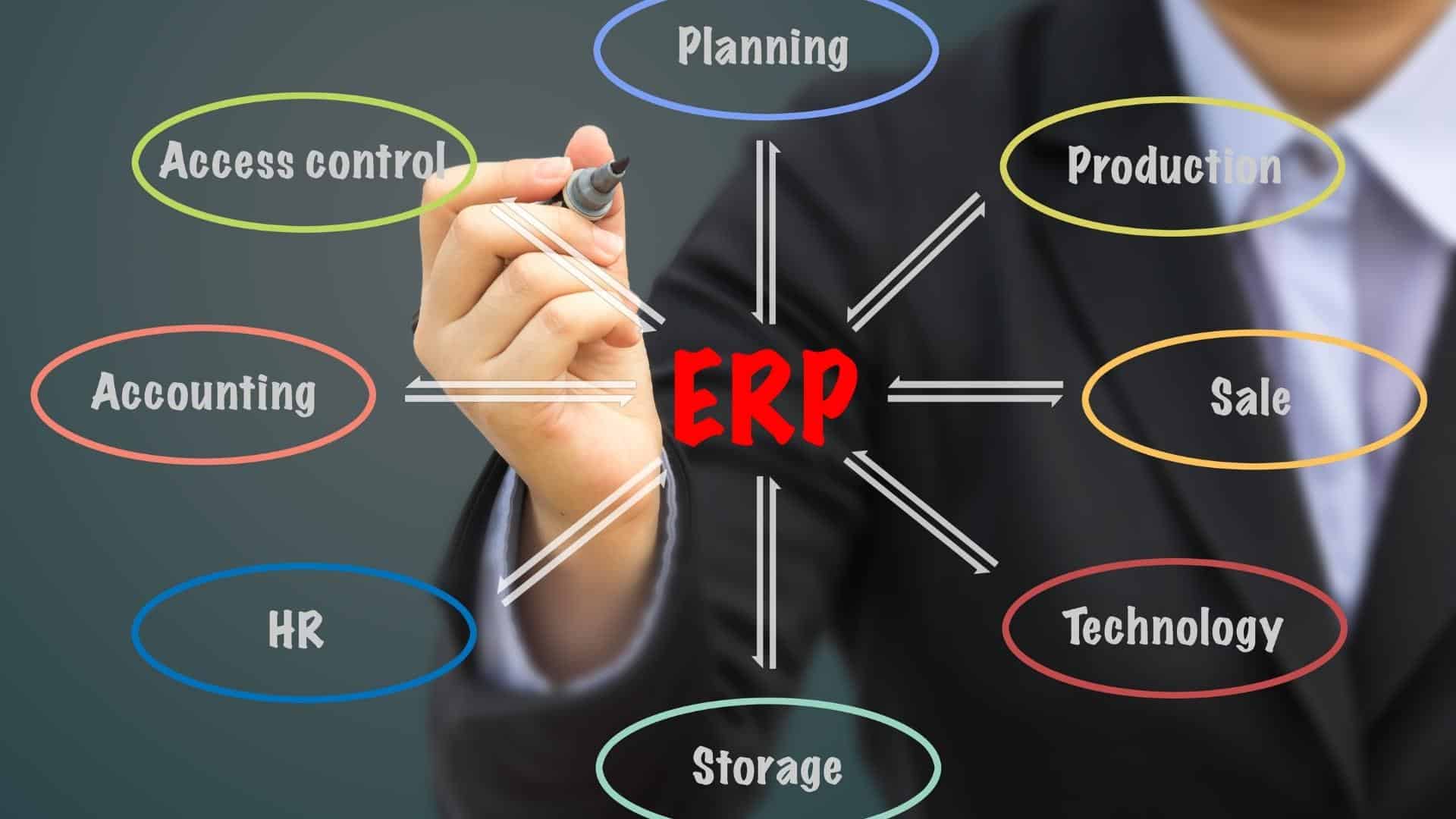
An ERP (Enterprise Resource Planning) program is a type of software used by businesses to manage and automate core functions such as finance, human resources, inventory management, and customer relations. By integrating these processes into a single system, ERP programs enable businesses to streamline their operations and access real-time data for better decision-making.
ERP Definition and Core Concepts
ERP programs are designed to create a unified platform where all major business functions are connected. Instead of using different systems for each department, ERP brings everything under one roof, making it easier for businesses to manage data, improve efficiency, and reduce operational costs.
History and Evolution of ERP Programs
ERP software evolved from Material Requirements Planning (MRP) systems in the 1960s and 1970s. As businesses grew more complex, so did the need for systems that could handle more than just inventory and production planning. By the 1990s, ERP programs became widely used by large enterprises to manage their end-to-end business processes.
Why ERP Programs are Essential for Modern Businesses
In today’s fast-paced business environment, companies need to be agile, efficient, and data-driven. ERP programs help achieve this by integrating all major business processes, providing businesses with a clear view of their operations and allowing for more informed decisions.
Centralization of Business Processes
ERP programs centralize data and processes, giving organizations a single source of truth. This reduces the chances of errors and discrepancies, enabling teams across departments to work together more effectively.
Enhancing Decision-Making Through Real-Time Data
ERP programs provide real-time data analytics, which helps businesses monitor their performance and make proactive decisions. Having up-to-date information at hand means managers can respond quickly to changes in the market or operations.
Key Features of ERP Programs
Financial Management
ERP programs offer robust financial management capabilities, allowing businesses to track revenue, expenses, and profitability. They also help with budgeting, forecasting, and managing compliance with financial regulations.
Supply Chain and Inventory Management
Managing supply chains and inventory efficiently is critical to any business. ERP programs provide tools for monitoring stock levels, managing suppliers, and tracking goods from production to delivery, helping to avoid bottlenecks and reduce costs.
Human Resources Management
ERP systems streamline HR processes, including payroll, recruitment, benefits administration, and employee performance tracking. This reduces administrative tasks and ensures compliance with labor laws.
Customer Relationship Management (CRM)
Many ERP programs include CRM functionalities to help businesses manage customer interactions, sales, and support. This ensures that customer data is readily accessible and that customer service teams have the tools they need to provide top-notch service.
Project Management and Reporting
ERP programs often come with project management tools that allow businesses to plan, execute, and monitor projects from start to finish. Additionally, the reporting features in ERP programs provide insights into business performance, helping leaders make data-driven decisions.
Types of ERP Programs
Cloud-Based ERP Programs
Cloud-based ERP programs are hosted on remote servers and accessed through the internet. This makes them ideal for businesses that want flexibility and scalability without needing to manage their own IT infrastructure.
On-Premise ERP Programs
On-premise ERP systems are installed on the company’s local servers. While this option gives businesses more control over their data, it requires a significant upfront investment in hardware and ongoing maintenance.
Hybrid ERP Programs
Hybrid ERP programs combine the benefits of both cloud and on-premise systems. Businesses can host some of their operations on-site while using the cloud for others, providing flexibility while maintaining control over critical data.
Benefits of Implementing an ERP Program
Streamlined Business Operations
ERP programs eliminate redundancies and automate routine tasks, helping businesses run more smoothly. This leads to increased productivity and reduced operational costs.
Improved Data Accuracy
With all business functions integrated into one system, ERP programs reduce the need for manual data entry, improving accuracy and consistency across departments.
Better Financial Control
ERP programs give businesses greater control over their finances by providing detailed reports, real-time insights, and automated processes that help manage budgets, track spending, and ensure regulatory compliance.
Enhanced Customer Satisfaction
By streamlining order processing, inventory management, and customer service, ERP programs help businesses meet customer demands more effectively. This results in faster order fulfillment, fewer errors, and higher customer satisfaction.
How ERP Programs Work
Integration of Core Business Functions
ERP programs integrate core business functions into a single platform. This allows different departments, such as finance, HR, and production, to share information seamlessly and work collaboratively.
The Role of Databases in ERP
At the heart of every ERP program is a centralized database that stores information from all departments. This ensures that data is consistent and accessible to authorized users across the organization.
Automating Business Processes
ERP programs automate repetitive tasks like invoice generation, payroll processing, and inventory management. This reduces the workload on employees and minimizes human errors.
ERP Program vs. Standalone Business Software
Differences in Scope and Functionality
Standalone software is designed to handle specific business functions, such as accounting or HR. ERP programs, on the other hand, offer a more comprehensive solution that integrates multiple business functions into one system.
Which Solution is Best for Your Business?
For small businesses with limited needs, standalone software may be sufficient. However, as businesses grow and require more robust solutions, ERP programs become a more attractive option due to their ability to handle complex processes and integrate multiple departments.
Popular ERP Programs in the Market
SAP ERP
SAP is one of the most widely used ERP systems globally, offering a comprehensive solution for large enterprises. SAP ERP is known for its scalability and depth of features, making it a go-to choice for companies in various industries.
Oracle ERP
Oracle ERP provides powerful tools for managing finance, HR, and supply chain operations. Its cloud-based solutions are especially popular among businesses looking for flexibility and scalability.
Microsoft Dynamics 365
Microsoft Dynamics 365 offers a user-friendly ERP system that integrates seamlessly with other Microsoft products. It is a great choice for small to mid-sized businesses seeking a familiar interface and customizable solutions.
NetSuite ERP
NetSuite is a leading cloud-based ERP solution, particularly favored by growing businesses due to its scalability and ease of use. NetSuite offers modules for financials, CRM, and eCommerce, making it a comprehensive solution for various industries.
Challenges in Implementing ERP Programs
Data Migration Issues
One of the biggest challenges when implementing an ERP system is migrating existing data into the new platform. Ensuring data integrity during this process is critical to avoid disruptions.
Training and Change Management
Introducing a new ERP system requires proper training for staff and a solid change management plan to ensure a smooth transition from old systems to the new program.
Integration with Existing Systems
Businesses may face difficulties when integrating ERP programs with existing software. Ensuring compatibility and smooth integration is key to avoiding delays and added costs.
The Future of ERP Programs
The Impact of AI and Machine Learning on ERP
AI and machine learning are expected to revolutionize ERP programs, offering advanced predictive analytics, process automation, and improved decision-making capabilities.
ERP in the Cloud: Future Trends and Innovations
Cloud-based ERP solutions will continue to grow in popularity, offering businesses greater flexibility, scalability, and cost-effectiveness. Innovations in cloud technology will likely lead to even more efficient and user-friendly ERP systems in the future.
Conclusion: Is an ERP Program Right for Your Business?
Implementing an ERP program can significantly improve your business’s efficiency, data accuracy, and decision-making capabilities. While the initial investment may seem daunting, the long-term benefits of streamlined processes and centralized data make it a valuable tool for businesses of all sizes.
FAQs About ERP Programs
How long does it take to implement an ERP program?
The implementation time for an ERP program varies depending on the complexity of the business, but it typically takes between 6 to 18 months.
Are ERP programs scalable for growing businesses?
Yes, most ERP programs are designed to scale with your business, allowing you to add more users, modules, and functionality as your business grows.
What industries benefit the most from ERP programs?
ERP programs are used across various industries, including manufacturing, retail, healthcare, and finance. Any business that requires efficient management of multiple departments can benefit from ERP.
Can ERP programs be customized for specific needs?
Yes, many ERP solutions offer customization options to tailor the software to the specific needs of your business, ensuring it aligns with your processes and objectives.
What is the typical cost of an ERP program?
The cost of an ERP program varies widely depending on the provider, features, and size of the business. On average, ERP programs can range from $10,000 to $500,000, including implementation and training costs.
Leave a Reply