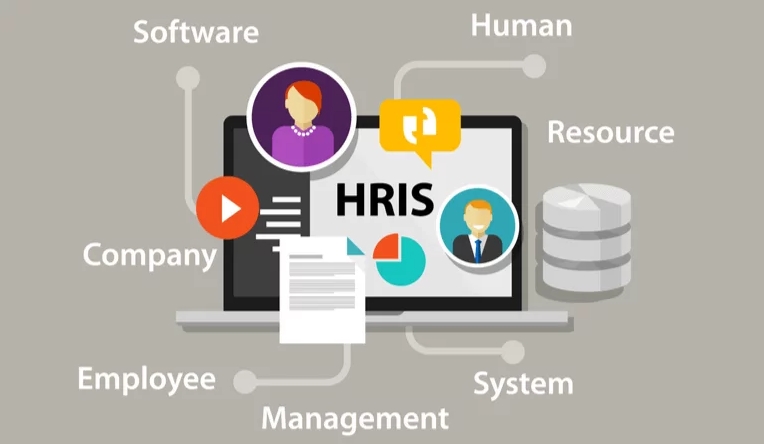
Human Resource Information Systems (HRIS) are revolutionizing how businesses manage their workforce. In today’s digital era, having an efficient platform to manage HR tasks is no longer a luxury but a necessity. But what exactly is an HRIS management platform, and why is it so crucial for modern organizations? Let’s dive in.
What is an HRIS Management Platform?
Definition and Overview
An HRIS management platform is a software solution designed to automate and manage human resources, payroll, benefits, and more. It acts as a central hub where HR professionals can handle all aspects of employee data, ensuring smoother operations and less reliance on manual processes.
How HRIS Platforms Have Evolved Over Time
HRIS platforms started as simple databases to track employee information. However, with advancements in technology, they now offer features such as performance management, talent acquisition, and predictive analytics, making them indispensable tools for HR teams.
Importance of HRIS Management Platforms in Modern Organizations
In modern organizations, managing HR manually is inefficient and time-consuming. HRIS platforms streamline processes, from recruitment to retirement, helping businesses save time and reduce errors. They provide a foundation for scalability, allowing companies to grow without facing the traditional HR bottlenecks.
Key Features of an HRIS Management Platform
Employee Data Management
Centralized Employee Records
One of the primary benefits of an HRIS platform is the ability to store all employee information in one place. No more paper files or scattered Excel sheets. Everything from contact details to job history is easily accessible.
Automated Updates and Reporting
HRIS platforms allow automatic updates when employees move departments or receive promotions. In addition, they can generate reports that help HR professionals make data-driven decisions.
Payroll and Compensation Management
Streamlined Payroll Processes
Handling payroll can be a complex task. An HRIS platform automates payroll calculations, ensuring employees are paid accurately and on time, thus reducing the risk of errors.
Compliance and Tax Management
Payroll isn’t just about cutting checks; it’s about staying compliant with tax regulations. HRIS platforms are designed to keep up with changes in employment laws, ensuring your business is always on the right side of the law.
Benefits and Leave Tracking
Managing Employee Benefits
From health insurance to retirement plans, an HRIS platform helps you manage employee benefits, making it easier for employees to view and update their benefits packages.
Accurate Leave Requests and Approvals
Managing leave can be a headache, but not with an HRIS system. Employees can request time off through self-service portals, while managers can approve or deny requests with a click.
Performance and Talent Management
Performance Appraisal Tools
An HRIS platform provides tools for regular performance reviews, ensuring employees receive timely feedback. This not only boosts morale but also keeps performance levels in check.
Learning and Development Programs
HRIS platforms are also great for tracking employee development, allowing HR teams to manage training programs and identify skill gaps.
Recruitment and Onboarding
Streamlined Hiring Process
From job postings to interviews, HRIS platforms streamline recruitment. Many systems even allow integration with job boards and provide tracking features for candidate progress.
Effective Onboarding Tools
Onboarding is crucial for employee retention. HRIS platforms offer digital onboarding tools that make the process smoother and more efficient for both HR teams and new hires.
Benefits of Using an HRIS Management Platform
Improved Efficiency
Automating Administrative Tasks
Manual HR tasks are time-consuming. Automating them not only speeds up processes but also reduces human error, allowing HR teams to focus on more strategic tasks.
Reducing Manual Data Entry
No more entering data by hand. HRIS platforms can integrate with other business systems, eliminating the need for redundant data entry.
Better Employee Experience
Self-Service Portals for Employees
HRIS platforms often include self-service portals where employees can manage their personal information, request time off, and view their pay stubs, empowering them and reducing HR workload.
Transparent Communication
Employees appreciate transparency. HRIS platforms improve communication between HR teams and staff, making everything from policy updates to performance feedback easily accessible.
Enhanced Data Security and Compliance
Secure Data Storage
HRIS platforms use encryption and other security measures to protect sensitive employee data, ensuring it stays safe from breaches.
Compliance with Employment Laws
Staying compliant with employment regulations is easier with HRIS platforms that update automatically with changing laws and standards.
Challenges in Implementing an HRIS Management Platform
Cost of Implementation
Initial Investment
Investing in an HRIS platform can be expensive, with costs for software licenses, customization, and training. However, the long-term savings in time and efficiency can justify the upfront expense.
Ongoing Maintenance Costs
Once implemented, ongoing maintenance, updates, and support can add to the overall cost. It’s crucial to factor this into your budget.
Training and Adaptation
User Adoption Challenges
Getting employees to adopt a new system can be difficult, especially if they are used to traditional methods. Training is essential to ensure they use the platform effectively.
Employee Training Requirements
HR teams and employees alike need to be trained on how to use the system. Without proper training, even the best HRIS platform can become underutilized.
Choosing the Right HRIS Management Platform
Assessing Business Needs
Identifying Core Functionalities
Before choosing a platform, assess your business needs. Do you need robust payroll features or more advanced talent management tools? Identifying these will help you narrow down your options.
Customization Options
Every business is different. Ensure the platform you choose can be customized to suit your unique HR processes and policies.
Comparing Top HRIS Platforms in the Market
Feature Comparison
There are many HRIS platforms available, each with its own strengths and weaknesses. Compare features to find the one that best fits your business needs.
Pricing Models
HRIS platforms vary in price, with some offering subscription-based models and others charging based on the number of employees. Make sure you choose a model that fits your budget.
How to Successfully Implement an HRIS Management Platform
Planning and Strategy
Setting Clear Objectives
Before implementation, define what you want to achieve with the HRIS platform. Is it about improving efficiency or enhancing employee engagement? Setting clear goals will guide the implementation process.
Creating a Detailed Implementation Plan
A successful implementation requires a detailed plan, covering everything from software configuration to employee training.
Employee Involvement and Training
Effective Communication
Keep employees in the loop throughout the implementation process. Clear communication helps ensure a smoother transition.
Ongoing Support and Training
Provide ongoing support and training to ensure employees continue to use the platform effectively.
Future Trends in HRIS Management Platforms
AI and Automation Integration
Predictive Analytics in HR
The future of HRIS lies in AI and predictive analytics, which can help businesses predict turnover rates and employee performance.
Automated Task Management
HR tasks like scheduling interviews or sending reminders can be automated, freeing up HR teams for more strategic work.
Mobile Accessibility and Remote Work
Mobile HRIS Platforms
As remote work becomes more common, mobile-accessible HRIS platforms are essential for keeping remote teams connected and engaged.
Supporting Distributed Workforces
HRIS platforms can support distributed teams by providing access to important HR tools and resources, no matter where employees are located.
Conclusion
In conclusion, an HRIS management platform is no longer just a nice-to-have tool; it’s a must-have for organizations looking to streamline their HR processes, enhance employee experiences, and stay compliant with ever-changing regulations. Whether you are a small business or a large enterprise, investing in the right HRIS platform can lead to significant improvements in efficiency and business growth.
FAQs
What is an HRIS platform and how does it work?
An HRIS platform is software that centralizes HR functions, such as payroll, employee data management, and performance tracking, automating many of the tasks traditionally done manually.
Can an HRIS platform be customized for different industries?
Yes, most HRIS platforms can be customized to suit the unique needs of different industries, from healthcare to manufacturing.
How secure are HRIS management platforms?
HRIS platforms are typically highly secure, using encryption and other methods to protect sensitive employee data.
What are the costs associated with HRIS implementation?
Costs vary depending on the platform, but they usually include software licenses, customization, and ongoing maintenance fees.
How can an HRIS platform improve employee engagement?
By providing tools like self-service portals, performance tracking, and learning management systems, HRIS platforms can enhance employee engagement by offering more transparency and opportunities for development.
Leave a Reply