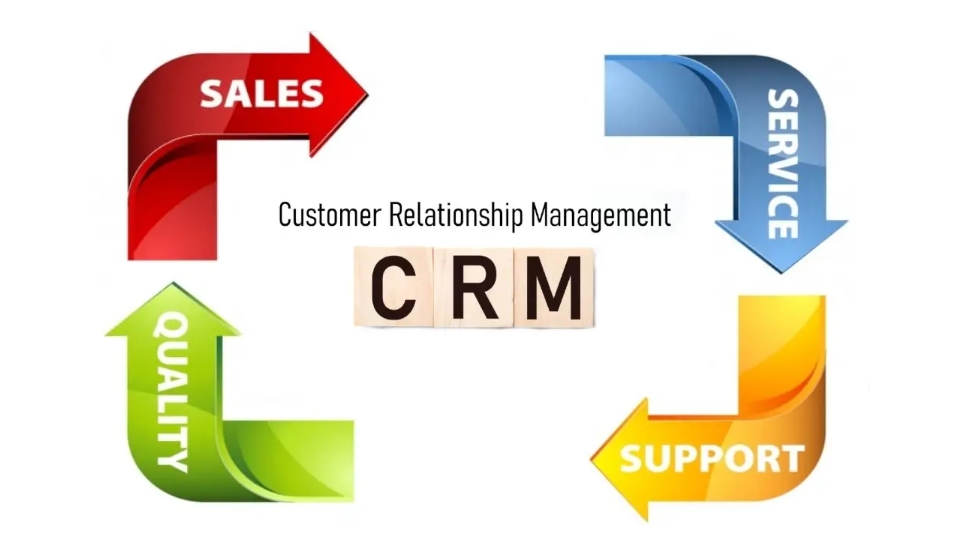
In today’s fast-paced digital world, businesses need every edge they can get to stand out and thrive. One powerful tool that has become indispensable in achieving success is CRM, or Customer Relationship Management. But what exactly is CRM, and why is it so important for modern businesses? Let’s dive in and explore everything you need to know about CRM, from its basic concept to the incredible benefits it offers.
What Does CRM Stand For?
CRM stands for Customer Relationship Management. It’s a strategy, a system, and a tool used by businesses to manage interactions with their customers and potential customers. CRM systems help organizations track customer interactions, streamline workflows, and ultimately build stronger relationships with their customer base. Whether it’s through automated follow-ups, sales tracking, or managing marketing campaigns, CRM tools are designed to make managing customers easier and more effective.
The Evolution of CRM Systems
Early Days of CRM
The concept of CRM isn’t new. It can be traced back to the days when businesses used handwritten ledgers and personal Rolodexes to manage customer information. Early CRM efforts involved manual note-keeping and tracking customer interactions by hand, which was time-consuming and prone to errors.
Modern CRM Platforms
With the rise of digital technology, CRM evolved into software systems that automate many customer management processes. Modern CRMs are sophisticated platforms that integrate with email, social media, and even AI-powered analytics to provide comprehensive views of customers. Today’s CRM platforms aren’t just for managing customer data—they help businesses personalize experiences, track sales, and even forecast future customer behaviors.
Why Is CRM Important for Businesses?
CRM is more than just a tool—it’s a critical strategy for building lasting customer relationships. By centralizing customer data and providing insights into their behaviors and preferences, CRM allows businesses to provide better service and tailor their offerings to meet customer needs. In the competitive business environment, using a CRM is essential for staying ahead.
Types of CRM Systems
There are several types of CRM systems, each designed to address specific business needs. Understanding the differences can help you choose the best one for your organization.
Operational CRM
Key Features of Operational CRM
Operational CRM focuses on automating and improving customer-facing processes, such as sales, marketing, and customer service. Its key features include lead management, contact management, and workflow automation.
Examples of Operational CRM Tools
Popular operational CRMs include Salesforce, HubSpot, and Zoho CRM. These tools help businesses handle day-to-day customer interactions, ensuring smooth and efficient operations.
Analytical CRM
Key Features of Analytical CRM
Analytical CRM is focused on analyzing customer data to gain insights into behaviors and trends. It includes features like data mining, customer segmentation, and predictive analytics.
How Analytical CRM Helps Businesses
By leveraging the power of analytics, businesses can make data-driven decisions, predict future trends, and tailor their marketing and sales strategies to individual customers. Tools like Microsoft Dynamics and SugarCRM are well-known for their analytical capabilities.
Collaborative CRM
Key Features of Collaborative CRM
Collaborative CRM, also known as strategic CRM, focuses on improving collaboration between different departments within a business. It integrates communication tools like email, phone systems, and chat platforms.
Real-Life Use Cases of Collaborative CRM
Collaborative CRM is especially useful in industries like retail, healthcare, and telecommunications, where cross-departmental collaboration is essential for customer success.
Key Features of CRM Systems
CRM systems offer a wide range of features designed to make managing customer relationships easier. Some of the most important features include:
Contact Management
At the heart of every CRM system is contact management. This feature allows businesses to store and organize customer data, such as contact details, interaction history, and purchase behavior.
Lead and Sales Management
CRM tools provide a centralized platform for tracking sales opportunities, managing pipelines, and monitoring leads as they move through the sales funnel.
Customer Support Automation
CRM systems often include helpdesk and customer support automation tools, ensuring customer inquiries are handled quickly and efficiently.
Analytics and Reporting
One of the most valuable features of CRM is the ability to generate detailed reports and analytics on customer interactions, sales trends, and more. These insights help businesses optimize their strategies.
Benefits of Using CRM for Businesses
Implementing a CRM system can offer numerous benefits, including:
Improved Customer Relationships
With better insights into customer behaviors and preferences, businesses can provide more personalized experiences, leading to stronger relationships and increased customer loyalty.
Enhanced Team Collaboration
CRM systems help break down silos between departments by providing a single source of truth for customer data. This improves communication and collaboration within the organization.
Increased Efficiency and Automation
CRM systems automate routine tasks like data entry, follow-ups, and report generation, allowing teams to focus on high-value activities.
Better Data-Driven Decision Making
With CRM analytics, businesses can base their decisions on accurate data, leading to more successful outcomes in sales and marketing.
How to Choose the Right CRM System
Choosing the right CRM can be daunting, but focusing on these key factors can help:
Assessing Business Needs
Understanding your business’s specific needs is the first step in choosing the right CRM. Identify the features that are most important to your workflow.
Scalability and Flexibility
Look for a CRM that can grow with your business. It should be flexible enough to accommodate future needs without requiring a complete system overhaul.
Integration with Existing Tools
A good CRM should integrate seamlessly with your existing tools, such as email platforms, marketing automation systems, and accounting software.
Budget and ROI Consideration
Ensure that the CRM provides a good return on investment by improving efficiency and driving sales. Consider both the upfront costs and the potential long-term benefits.
Common Challenges in CRM Implementation
While CRM systems offer many benefits, there are challenges to be aware of during implementation:
User Adoption
Getting your team to adopt a new CRM can be difficult. Provide proper training and demonstrate the system’s value to encourage widespread use.
Data Migration Issues
Migrating data from legacy systems to a new CRM can be complex. Ensure you have a solid plan in place for transferring and cleaning up data.
Customization and Complexity
Some CRM systems are highly customizable, but this can add complexity. Keep the system as simple as possible to avoid overwhelming users.
Future Trends in CRM
The CRM landscape is continuously evolving, and the future holds exciting advancements:
AI and Machine Learning Integration
Artificial intelligence and machine learning are becoming more integrated into CRM systems, offering predictive analytics, chatbots, and more personalized customer experiences.
Mobile CRM Solutions
With the rise of remote work and mobile devices, more CRM platforms are offering robust mobile solutions, enabling teams to manage customer relationships on the go.
Enhanced Customer Experience Tools
Future CRMs will continue to prioritize customer experience, providing tools that help businesses deliver seamless, personalized interactions across all channels.
Conclusion
CRM systems are a powerful tool for businesses of all sizes, helping them manage customer relationships, streamline operations, and make data-driven decisions. Whether you’re a small startup or a large enterprise, implementing the right CRM can help you unlock new levels of growth and success.
Frequently Asked Questions (FAQs)
What is the primary purpose of a CRM system?
The main purpose of a CRM system is to manage and improve business relationships with customers by organizing and automating interactions across sales, marketing, and customer service.
Can small businesses benefit from using CRM?
Absolutely! CRM systems are scalable and can be tailored to meet the needs of small businesses. They help streamline operations, improve customer relationships, and increase efficiency.
What industries use CRM the most?
CRM systems are widely used in industries such as retail, finance, healthcare, and telecommunications, but they can benefit any industry that prioritizes customer relationships.
What are the top CRM tools available?
Some of the top CRM tools include Salesforce, HubSpot CRM, Zoho CRM, Microsoft Dynamics, and Pipedrive.
How does CRM impact customer loyalty?
By providing personalized experiences, timely responses, and excellent customer service, CRM systems help businesses build stronger relationships with customers, leading to increased loyalty.
Leave a Reply